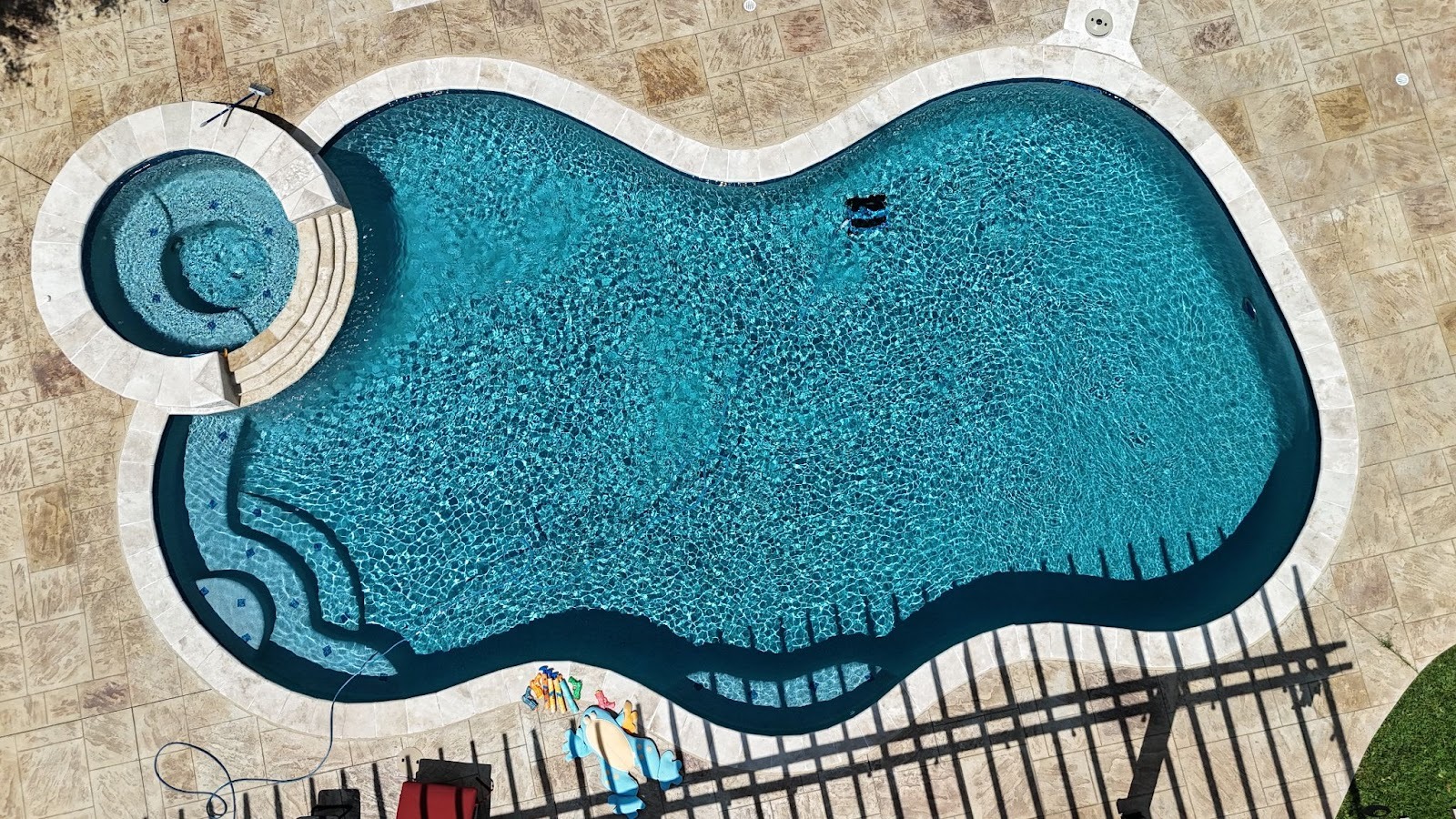
In-ground pools in North Texas offer year-round enjoyment, but even the best pools in Collin, North Dallas, and South Grayson Counties are susceptible to structural cracks due to environmental factors, material age, and underlying construction issues. Understanding what causes these cracks and why professional repair methods are needed helps protect your investment and prevent costly water loss or safety risks.
Pool cracks are not just cosmetic issues. In the North Texas area, expansive clay soils are a leading culprit. As the soil absorbs moisture from seasonal rains or irrigation, it swells; during dry summers, it rapidly contracts. This cycle of ground shifting exerts enormous pressure on the pool shell and foundation, eventually causing cracks.
Other contributing factors include:
The use of aging or inferior construction materials during the initial build.
Pre-existing soil movement that was not adequately addressed early on.
Inadequate steel reinforcement in the pool’s structure.
Water table fluctuation, especially after heavy rains or during the rainy season. These factors are magnified in regions prone to extreme weather shifts like North Texas.
A common misunderstanding among pool owners is believing that resurfacing will fix structural cracks. While resurfacing improves appearance and helps with minor surface defects, it does not address cracks that run deep through the pool shell. Neglecting the core structural concerns can result in further separation, water seepage into the substrate, or even loss of pool water, ultimately causing erosion and additional foundation movement.
Experienced technicians follow proven repair methods designed to restore both the structure and integrity of your pool. The process typically involves:
Locating and inspecting the full extent of the crack with specialized equipment.
Cleaning and widening the crack to ensure effective bonding.
Injecting high-strength, waterproof epoxy or polyurethane grout into the crack for a watertight seal.
Installing “staples” or structural reinforcements that bridge the crack and distribute weight more evenly across vulnerable areas. After the structural repair, a resurfacing or patching procedure restores the pool’s appearance. These methods ensure the pool shell regains original integrity and delivers long-term peace of mind.
Cracks are especially common in pools near new construction or recent landscaping projects in the Collin County area, where earth-moving activities amplify soil instability. One Plano homeowner noticed increasing water loss and discoloration along a long hairline in the deep end. After a thorough assessment, the crack was traced to drought-related ground shifts. Swimming pool crack repair services were used to inject a specialized epoxy, and additional staples reinforced the weakened area. The result was a structurally sound pool, with future maintenance needs minimized.
Identifying and professionally repairing cracks in your pool not only prevents leaks but also preserves the long-term value of your property. If you notice any uneven surfaces, water loss, or visible cracks, addressing them promptly with a certified repair team can save you from bigger, more expensive issues later.
If you’re experiencing pool cracks in Collin, North Dallas, or South Grayson Counties, Blue Escapes Pool & Spa® offers comprehensive structural pool repair backed by decades of local experience. Call 972-294-6950 or fill out our online form to schedule your assessment with our team. Local professionals are ready to provide long-lasting solutions using the industry’s best repair methods, restoring your backyard oasis swiftly and efficiently.